
In a world that often rushes from one thing to the next, playtime offers children a unique opportunity to slow down, explore, and truly be themselves. For little ones who may not yet have the words to fully articulate their thoughts and emotions, imaginative play becomes a powerful outlet—a language of its own. Whether it’s building a fantasy kingdom in the garden or staging a puppet show in the living room, play helps children express who they are and how they see the world.
Encouraging self-expression through play isn’t just about keeping kids entertained—it’s about nurturing their emotional intelligence, boosting their confidence, and helping them develop into creative, well-rounded individuals. From outdoor adventures in an Aire de jeux to rainy day fun with Jeux d’intérieur, here’s how you can support and inspire your child’s imaginative spirit.
Why Imaginative Play Matters
Imaginative play—also known as pretend play or role-playing—is more than a source of amusement. It allows children to explore different roles, experiment with emotions, and make sense of the world around them. When a child pretends to be a doctor, firefighter, or dragon-slaying knight, they’re not just playing—they’re processing experiences, developing empathy, and building problem-solving skills.
This kind of play provides a safe space to express feelings that may otherwise remain bottled up. A child might work through anxieties about school by pretending to teach a classroom full of dolls or explore feelings of frustration through a superhero battle. In doing so, they’re not only expressing their inner world but learning to manage it, too.
Creating the Right Environment
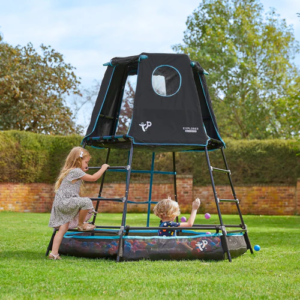
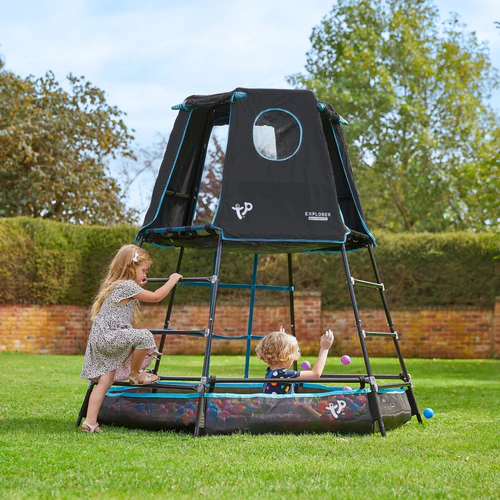
To foster imaginative play, the environment matters. A thoughtfully designed space encourages creativity, freedom, and exploration. For outdoor play, an Aire de jeux (playground area) offers endless opportunities for imaginative adventures. Whether it’s a climbing frame that becomes a pirate ship or a slide that turns into a magical waterfall, these settings fuel a child’s ability to dream and create.
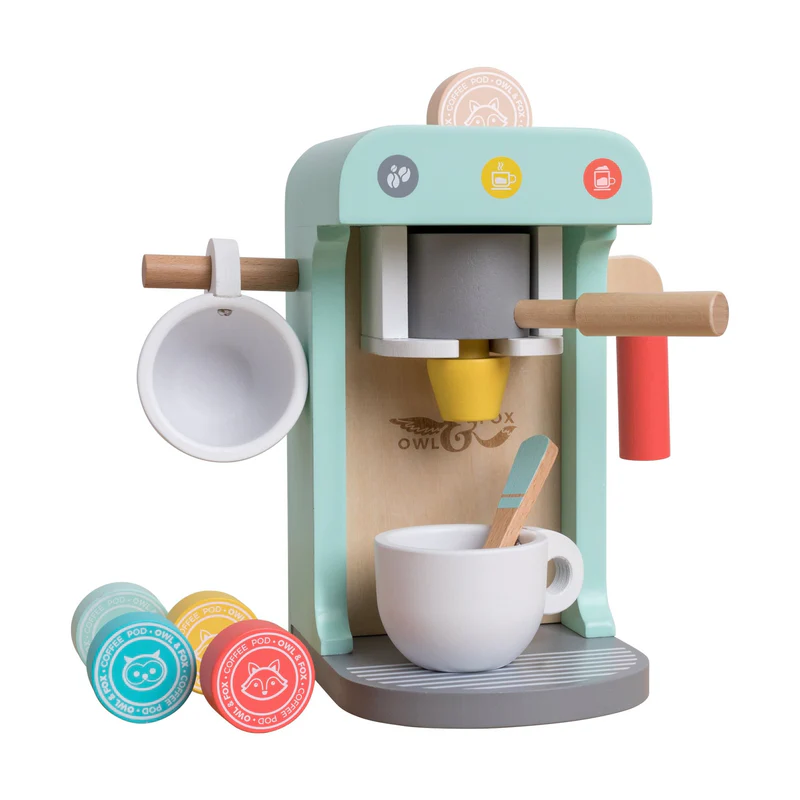
Indoors, a dedicated play area with open-ended toys can be just as effective. Jeux d’intérieur (indoor games) such as building blocks, dress-up clothes, puppets, and play kitchens provide the raw materials for storytelling and role-play. Unlike electronic toys that often limit creativity to pre-programmed scenarios, open-ended toys allow children to decide the narrative and take control of the experience.
The Power of Role-Playing
One of the best ways to promote self-expression is to engage in role-play with your child. Whether you’re playing the customer at their pretend café or acting out a scene from their favourite fairy tale, your participation shows that their ideas are valued.
Ask open-ended questions during play to encourage your child to think more deeply. For example:
- “What happens next in the story?”
- “How does your character feel right now?”
- “What would you do if you were really in this situation?”
These kinds of questions stimulate imagination and provide insights into your child’s thoughts and emotions. You might be surprised at how revealing their answers can be.
Let Them Lead
As tempting as it is to guide the play or correct your child’s version of a story, it’s important to let them take the lead. Imaginative play is their stage, and they are the directors. By giving them control, you empower them to make decisions, experiment with ideas, and explore their identity.
Try to avoid imposing too many rules or expectations. A game that starts out as a fairy tale might end as a space adventure—and that’s perfectly fine. The beauty of pretend play lies in its unpredictability and fluidity. Let their imagination run wild.
Expressing Big Emotions Through Play
Children experience the same range of emotions as adults but don’t always have the language to express them. Play can act as a release valve, offering a safe and healthy way to process complex feelings.
For example, a child who’s recently moved house might use toy figures to re-enact leaving a familiar place and settling somewhere new. A child dealing with a new sibling may create stories about characters sharing space or learning to get along.
Watch their play closely and listen to the themes they explore. You might notice repeated scenarios or characters that reflect what they’re going through. This insight can help you better understand and support their emotional needs.
Encourage Storytelling
One of the most effective ways to foster imaginative play is through storytelling. You don’t need to be a gifted writer—just a willing listener and co-creator. Start a story and let your child take it in any direction they choose. Or better yet, let them be the sole narrator while you listen, act, or draw alongside them.
You can also use books as a springboard. After reading a favourite story, ask your child to create a sequel or act out their version of events. Give them paper and crayons to illustrate scenes or costumes to act them out.
Storytelling empowers children to find their voice, build narrative skills, and express themselves in vivid, personal ways.
Rotate Toys and Introduce New Scenarios
Keeping playtime fresh and engaging doesn’t require constant spending—sometimes all it takes is rotating the toys or changing the setting. One week, the living room becomes a jungle; the next, it’s a royal palace.
Adding new props, such as cardboard boxes, scarves, or old household items, can also spark fresh ideas. Even an empty laundry basket can become a rocket ship in the right hands. By regularly introducing new materials and scenarios, you help keep their imagination alive and encourage them to try new forms of expression.
Making the Most of Outdoor and Indoor Play
Both outdoor and indoor environments offer unique benefits. In an Aire de jeux, children are free to run, climb, and explore, often using large movements and group play to act out scenarios. It’s a fantastic setting for social development and collaborative storytelling.
With Jeux d’intérieur, the focus often shifts to finer motor skills, detail-oriented stories, and solo creativity. These quieter moments allow children to explore their inner world at their own pace, offering a balance to the high-energy nature of outdoor play.
Having a variety of both ensures your child has multiple outlets for self-expression, no matter the weather or season.
Every child deserves the chance to be heard—even if their voice isn’t expressed through words. Imaginative play offers a joyful, enriching, and deeply personal way for children to share their thoughts, dreams, and emotions. From the buzz of an Aire de jeux to the cosy corners filled with Jeux d’intérieur, there are countless ways to support your child’s journey toward self-expression.
As a parent or caregiver, your role is to create the space, provide the tools, and simply say, “Yes, let’s play.” In doing so, you give your child the freedom not only to imagine but to truly be themselves.
This is a collaborative post.
 How to Help Your Child Resist Peer Pressure
Leave a Reply